 Singing Coach AI
James Hetfield’s vocal range: D2–E5 (baritone)
Thrash metal’s gravel-voiced riff commander and frontman. James Hetfield’s range is commonly cited as roughly D2 to E5, about 3 octaves. Estimates are compiled from studio recordings and live performances, so treat the exact edges as approximate.
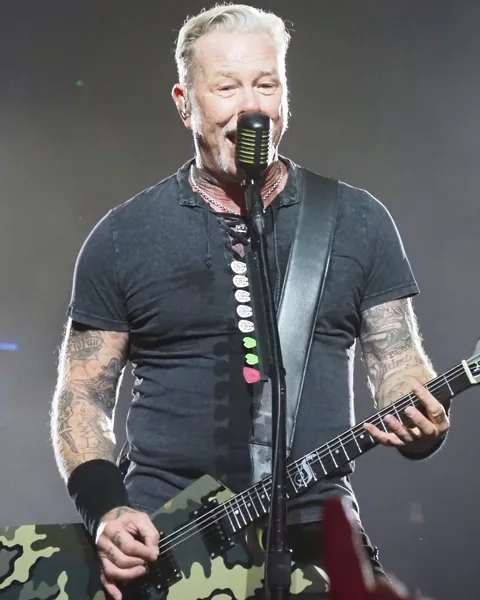
James Hetfield’s commonly cited range on the keyboard
Wondering how your voice compares? Take the free vocal range test. It takes about a minute, right in your browser.
The voice
James Hetfield is a rugged baritone whose recorded range is commonly cited at roughly D2–E5. Early Metallica records feature a rougher, shouted delivery; by the Black Album he had developed a genuinely melodic voice with a big, chesty core and his trademark sneering rasp. The signature move is the growled vowel at the end of a line, the famous ‘yeah-uh’, but behind the attitude is a singer who can hold a clean, sustained note on Nothing Else Matters or The Unforgiven with real control.
The good news for baritones is that most of his material sits in a natural low-to-middle range, roughly C3 to G4, with the melody carried by clean chest voice. The hard part is the delivery: barked consonants, a forward, aggressive placement and a controlled rasp that should sound like power rather than damage. A common mistake is clamping the throat to get the grit. Instead, sing the line cleanly first, then add a light edge from the airflow. Practise Nothing Else Matters completely clean before you try anything heavier.
The gritty shouts on Master of Puppets and the barks on Enter Sandman are stylised effects, and Hetfield himself has spoken about taking vocal lessons in later years to look after his voice. Warm up thoroughly before any distorted singing, keep it to short passages, and stop immediately if your throat feels raw. The riff is doing most of the work; your voice does not have to.
Range moments worth studying
Nothing Else Matters
A clean baritone ballad that stays mostly around the lower-middle of the staff, with the chorus rising to a sustained note near the top of that range.
Enter Sandman
Verses sit low and menacing; the chorus pushes into a gritty belt around the top of the staff on ‘exit light, enter night’.
The Unforgiven
Alternates a soft, clean chorus in the middle voice with harsher verses that stay low.
Master of Puppets
Fast, shouted verses at the bottom of the range and a chorus that jumps to sustained, rasped notes on ‘master’.
Can you sing it?
Baritones and bass-baritones are in luck: the ballads sit in a comfortable low-middle range. Start with Nothing Else Matters or The Unforgiven, sung completely clean, before you add grit or try Enter Sandman. A range label only tells you the edges. Whether a song feels good depends on where its melody sits. The Singing Coach AI app listens to you sing real songs, maps your range and tessitura, and tells you which keys and songs actually fit your voice, including whether James Hetfield’s catalogue is in reach today.
FAQ
What is James Hetfield’s voice type?
How many octaves can James Hetfield sing?
Does James Hetfield use screaming or growling?
Voices in the same neighbourhood
Singers whose cited range and voice type sit closest to James Hetfield’s. If one of them suits you, the other probably will too.
 Layne StaleyE2–E5 · baritone
 Chris MartinF#2–E5 · baritone
 HozierC2–D5 · baritone
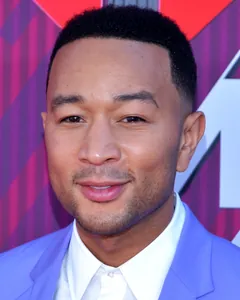 John LegendE2–G5 · baritone
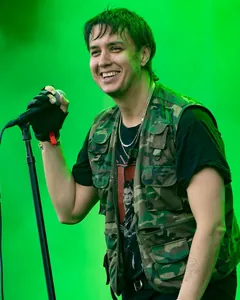 Julian CasablancasE2–C#5 · baritone
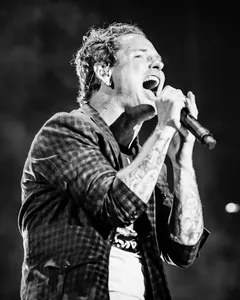 Corey TaylorF#2–F#5 · baritone
Photo: 4TheWynne, CC BY-SA 4.0, via Wikimedia Commons. Range figures are estimates compiled from recordings and are not endorsed by the artist.