 Singing Coach AI
Jonathan Groff’s vocal range: A2–C5 (tenor)
Broadway’s bright tenor, from Spring Awakening to Hamilton. Jonathan Groff’s range is commonly cited as roughly A2 to C5, just over 2 octaves. Estimates are compiled from studio recordings and live performances, so treat the exact edges as approximate.

Jonathan Groff’s commonly cited range on the keyboard
Wondering how your voice compares? Take the free vocal range test. It takes about a minute, right in your browser.
The voice
Jonathan Groff is a Broadway tenor with a clear, boyish sound and unusually clean diction, the voice behind Melchior in Spring Awakening, King George III in Hamilton and Kristoff in Disney’s Frozen. In 2024 he won the Tony Award for Best Actor in a Musical for Sondheim’s Merrily We Roll Along. Range sites put him at roughly A2 to C5, a conservative figure taken from his recorded roles, and some listeners call him a baritenor because his middle voice is warm and full.
Groff’s songs live mostly between E3 and A4, the heart of a theater tenor’s range, so the challenge is character and storytelling rather than extreme notes. He shapes phrases with consonants and comic timing, and his top notes are mixed, not shouted. To sing like him, start each song by speaking the lyric with full intention, then sing it on lip trills through the highest phrase so the A4 feels easy. Keep the jaw loose on the final notes and let the vowel open rather than pushing more air.
Range moments worth studying
You’ll Be Back
King George’s breakup song stays in a comfortable middle range for most of its length, then builds to a belted A4 on the final “Everybody.”
Lost in the Woods
Kristoff’s 1980s power-ballad pastiche from Frozen 2 (2019), sung in a fuller, rock-tinged chest-mix with big sustained phrases.
Reindeer(s) Are Better Than People
A short ditty from Frozen (2013) sung in a relaxed, low-middle voice, the gentlest Groff song to try.
Sing Jonathan Groff’s songs with feedback
Every song below has a full guide on this site: the range, the key, where the hard notes are, and how to practise them. Open one, then record it in the app to hear how close you are.
Can you sing it?
Tenors and baritones can sing You’ll Be Back in the original key, and mezzos and sopranos can sing it an octave up. It is the easiest Groff song to start with. New to voice types? Read what it means to be a tenor, or take the free voice type test to see where you fit. A range label only tells you the edges. Whether a song feels good depends on where its melody sits. The Singing Coach AI app listens to you sing real songs, maps your range and tessitura, and tells you which keys and songs actually fit your voice, including whether Jonathan Groff’s catalogue is in reach today.
FAQ
What is Jonathan Groff’s voice type?
How many octaves can Jonathan Groff sing?
Is You’ll Be Back hard to sing?
Voices in the same neighbourhood
Singers whose cited range and voice type sit closest to Jonathan Groff’s. If one of them suits you, the other probably will too.
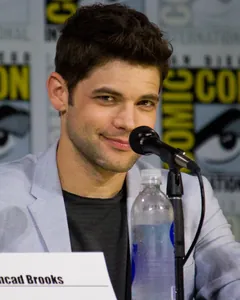 Jeremy JordanA2–C5 · tenor
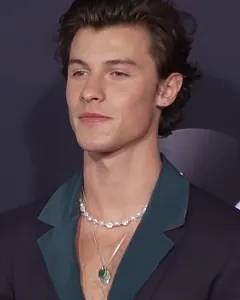 Shawn MendesG2–B4 · tenor
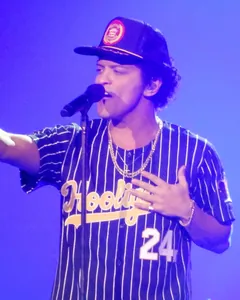 Bruno MarsG#2–E5 · tenor
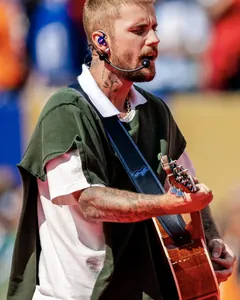 Justin BieberA2–G5 · tenor
 Paul McCartneyG2–F5 · tenor
 Gerard WayE2–E5 · tenor
Photo: The Tony Awards, CC BY 3.0, via Wikimedia Commons. Range figures are estimates compiled from recordings and are not endorsed by the artist.