 Singing Coach AI
Elvis Presley’s vocal range: G2–B4 (baritone)
The King’s velvet baritone and rock-and-roll swagger. Elvis Presley’s range is commonly cited as roughly G2 to B4, about just over 2 octaves. Estimates are compiled from studio recordings and live performances, so treat the exact edges as approximate.
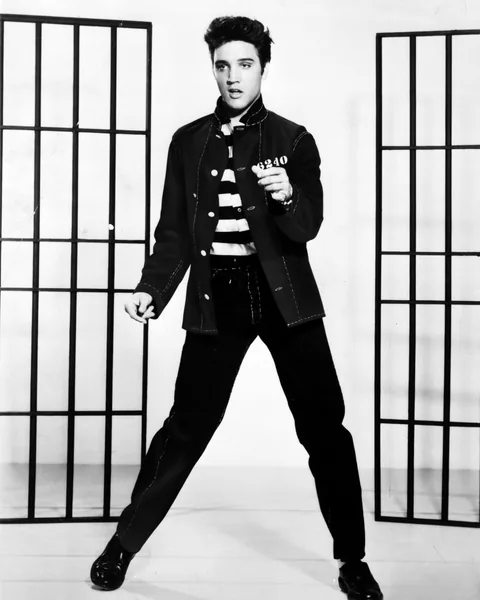
Elvis Presley’s commonly cited range on the keyboard
Wondering how your voice compares? Take the free vocal range test. It takes about a minute, right in your browser.
The voice
Elvis Presley was a baritone with an unusually free top, and his full-voice range is commonly cited at roughly G2–B4, a little over two octaves, with occasional falsetto above. The sound had two faces. On Love Me Tender and Can’t Help Falling in Love it is a warm, crooning baritone with a quick, light vibrato; on Hound Dog and Jailhouse Rock it is a snarling, hiccuping rock-and-roll voice full of slides and stutters. The later Vegas years added a bigger, more operatic delivery on Suspicious Minds and Burning Love.
For most male singers this is a friendly catalogue. The fifties hits sit roughly between A2 and E4, right in a baritone’s comfort zone, and the drama comes from rhythm, swagger and the famous vocal hiccups rather than range. The ballads need a smooth legato and a relaxed low register that does not go breathy at the bottom. A common mistake is caricaturing the ‘uh-huh’ mannerisms instead of learning the actual phrasing. Sing Love Me Tender straight and in tune first, then add the slides. The seventies material asks for more power: Suspicious Minds climbs to B4 and needs a supported, open mix.
Range moments worth studying
Can’t Help Falling in Love
Spans roughly F2–E4, sitting low and gentle throughout; the challenge is a smooth, unbroken legato line.
Suspicious Minds
Ranges about G2–B4, with the ‘caught in a trap’ chorus rising toward the top of the baritone range in full voice.
Burning Love
Runs from A2 up to A4, with a driving chorus that pushes into the upper-middle voice with rock-and-roll energy.
Love Me Tender
Stays within A2–D4, one of the easiest Elvis songs for range and all about warmth and tone.
Sing Elvis Presley’s songs with feedback
Every song below has a full guide on this site: the range, the key, where the hard notes are, and how to practise them. Open one, then record it in the app to hear how close you are.
Can you sing it?
Baritones and bass-baritones can sing almost all of the catalogue in the original keys, and tenors will find it easy. Start with Love Me Tender or Can’t Help Falling in Love, then work up to Suspicious Minds. A range label only tells you the edges. Whether a song feels good depends on where its melody sits. The Singing Coach AI app listens to you sing real songs, maps your range and tessitura, and tells you which keys and songs actually fit your voice, including whether Elvis Presley’s catalogue is in reach today.
FAQ
What was Elvis Presley’s voice type?
How many octaves could Elvis Presley sing?
Can a beginner sing Elvis Presley’s songs?
Voices in the same neighbourhood
Singers whose cited range and voice type sit closest to Elvis Presley’s. If one of them suits you, the other probably will too.
 Hugh JackmanG2–B4 · baritone
 Alex TurnerE2–B4 · baritone
 Eddie VedderE2–B4 · baritone
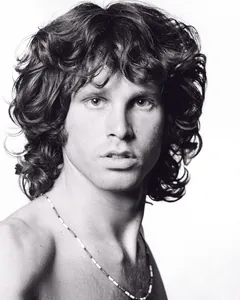 Jim MorrisonF#2–A4 · baritone
 Kurt CobainF2–C5 · baritenor
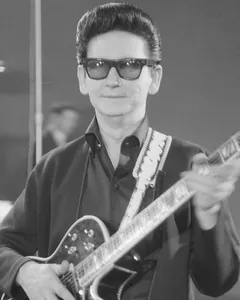 Roy OrbisonA2–C5 · baritenor
Photo: Metro-Goldwyn-Mayer, Inc. Reproduction Number: LC-USZ6-2067 Location: NYWTS -- BIOG, Public domain, via Wikimedia Commons. Range figures are estimates compiled from recordings and are not endorsed by the artist.