 Singing Coach AI
Chris Cornell’s vocal range: E2–C6 (baritone)
Grunge's four-octave howl, Soundgarden to Audioslave. Chris Cornell’s range is commonly cited as roughly E2 to C6, about just under 4 octaves. Estimates are compiled from studio recordings and live performances, so treat the exact edges as approximate.
Chris Cornell’s commonly cited range on the keyboard
Wondering how your voice compares? Take the free vocal range test. It takes about a minute, right in your browser.
The voice
Chris Cornell was a baritone with a tenor-sized top, and a range commonly cited at roughly E2–C6, close to four octaves. His voice is unmistakable for its combination of weight and height: a thick, chesty middle that could shift into a full-throated wail above the staff without thinning out, coloured by a controlled rasp that he could switch on and off. The Soundgarden years showcased the screams; Audioslave and his solo records revealed a warm, soulful crooner underneath.
Singing Cornell is about stamina and register blending. Songs like Black Hole Sun sit in a comfortable upper-baritone tessitura, but Jesus Christ Pose and Cochise live around A4–D5 for minutes at a time in something close to full chest voice. The mistake most singers make is trying to copy the rasp with sheer pressure. Work first on a clean, supported tone through your passaggio, then let a little grit in only when the note is already easy. If the grit costs you pitch, it is too much.
Cornell's screams and distorted high notes are a specialist technique, and he spent years developing them. Warm up for at least ten minutes before attempting anything above your comfortable range, keep the volume moderate, and stop at once if you feel any scratch, tickle or soreness. Songs like Like a Stone and Hunger Strike give you the flavour of his voice with far less risk.
Range moments worth studying
Black Hole Sun
The verses drift around G3–D4, then the chorus lifts into a sustained, almost eerie head-heavy tone around A4–B4.
Jesus Christ Pose
Relentless screamed phrases around C5–D5 with rasp on top, held over a churning riff. A benchmark for rock stamina.
Like a Stone
The Audioslave ballad shows the crooner: verses low around C3–G3, chorus climbing to a smooth, aching sustain near A4.
Hunger Strike
The Temple of the Dog duet with Eddie Vedder splits low and high: Vedder holds the baritone line while Cornell soars around A4–B4 on "I'm going hungry".
Can you sing it?
Baritones with a solid mix and tenors with a real low end can attempt this catalogue. Start with Like a Stone or Black Hole Sun, which sit mostly in the third and fourth octaves, and leave the screamed Soundgarden material until your top is comfortable. A range label only tells you the edges. Whether a song feels good depends on where its melody sits. The Singing Coach AI app listens to you sing real songs, maps your range and tessitura, and tells you which keys and songs actually fit your voice, including whether Chris Cornell’s catalogue is in reach today.
FAQ
What was Chris Cornell’s voice type?
How many octaves could Chris Cornell sing?
Is Chris Cornell a tenor or a baritone?
Voices in the same neighbourhood
Singers whose cited range and voice type sit closest to Chris Cornell’s. If one of them suits you, the other probably will too.
 Serj TankianE2–B5 · baritone
 John LegendE2–G5 · baritone
 Corey TaylorF#2–F#5 · baritone
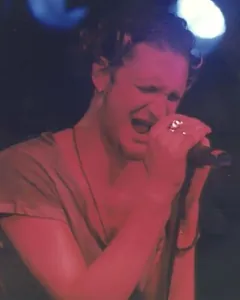 Layne StaleyE2–E5 · baritone
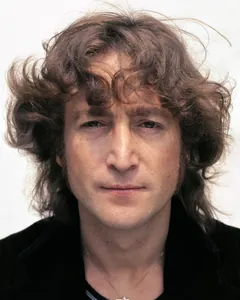 John LennonG2–F#5 · baritone
 Chris MartinF#2–E5 · baritone
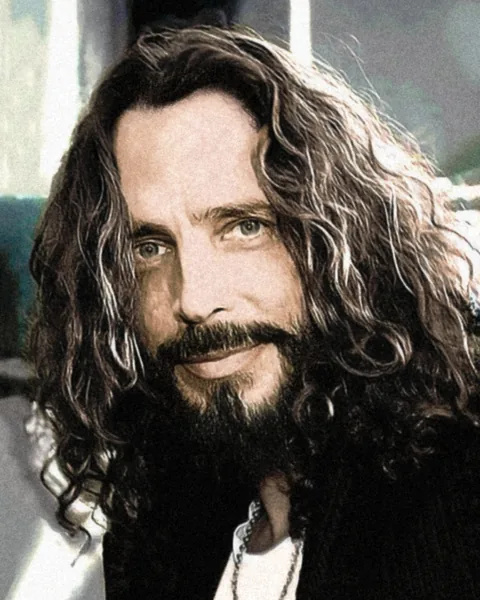
Photo: gdcgraphics, CC BY-SA 2.0, via Wikimedia Commons. Range figures are estimates compiled from recordings and are not endorsed by the artist.