 Singing Coach AI
Corey Taylor’s vocal range: F#2–F#5 (baritone)
Metal’s heaviest scream and most soulful croon. Corey Taylor’s range is commonly cited as roughly F#2 to F#5, about about 3 octaves. Estimates are compiled from studio recordings and live performances, so treat the exact edges as approximate.

Corey Taylor’s commonly cited range on the keyboard
Wondering how your voice compares? Take the free vocal range test. It takes about a minute, right in your browser.
The voice
Corey Taylor is a baritone with a commonly cited range of roughly F#2–F#5, and one of the most versatile voices in heavy music. In Slipknot he delivers guttural growls, rapid-fire rapped verses and full-throated screams; in Stone Sour and his solo work he sings clean, warm rock melodies with a gravelly edge and surprising tenderness. What makes him recognisable is the switch: the clean voice sits low and rich, then the distortion arrives without any loss of pitch, and songs like Duality alternate the two within a single line.
For singers, Taylor’s catalogue splits neatly in two. The clean songs, Through Glass, Bother and Snuff, live in a comfortable baritone range, roughly A2 to A4, and reward a dark, rounded tone with a bit of rasp on the louder lines. The common mistake is adding grit by tightening the throat; his rasp rides on plenty of air. Practical tip: learn the clean melody of Snuff first and keep it smooth, then add a little edge only on the final chorus, checking that the voice still feels free afterwards.
A care note on the screams: the growls in Psychosocial and Duality are a specialist technique built up over years, and Taylor has spoken about having to relearn his approach to protect his voice. Warm up fully, keep experiments short, use lots of airflow rather than squeezing, and stop at the first sign of pain, tickling or hoarseness. Nailing the clean choruses is a far better goal than the growls for most singers.
Range moments worth studying
Through Glass
A Stone Sour ballad with a mid-range, conversational verse and a chorus that lifts into a warm upper baritone; the easiest way into his songs.
Snuff
Slipknot’s acoustic ballad: sung almost entirely clean, low and dark, building to a full-voiced but still melodic climax.
Bother
Sits deep in the baritone range, sung almost at a whisper, and is a lesson in keeping low notes resonant at low volume.
Duality
Screamed verses give way to a big, clean chorus (“I push my fingers into my eyes”) sung high in his chest voice; the register switching is the whole challenge.
Can you sing it?
Baritones and low tenors can sing most of his clean catalogue; start with Through Glass or Bother, which sit comfortably below A4, and treat the screams of Duality and Psychosocial as a separate, long-term project. A range label only tells you the edges. Whether a song feels good depends on where its melody sits. The Singing Coach AI app listens to you sing real songs, maps your range and tessitura, and tells you which keys and songs actually fit your voice, including whether Corey Taylor’s catalogue is in reach today.
FAQ
What is Corey Taylor’s voice type?
How many octaves can Corey Taylor sing?
Is it safe to sing like Corey Taylor?
Voices in the same neighbourhood
Singers whose cited range and voice type sit closest to Corey Taylor’s. If one of them suits you, the other probably will too.
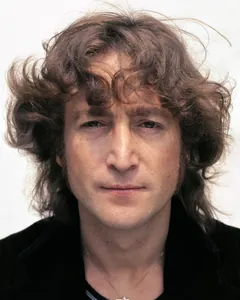 John LennonG2–F#5 · baritone
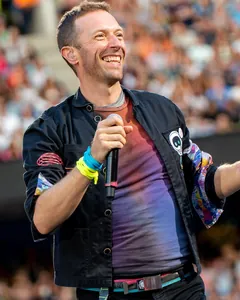 Chris MartinF#2–E5 · baritone
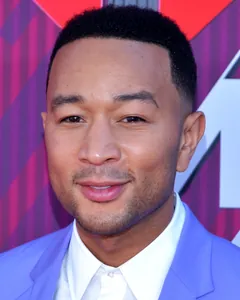 John LegendE2–G5 · baritone
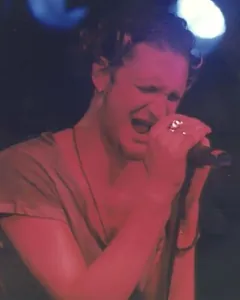 Layne StaleyE2–E5 · baritone
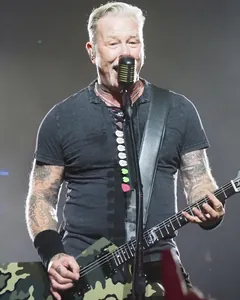 James HetfieldD2–E5 · baritone
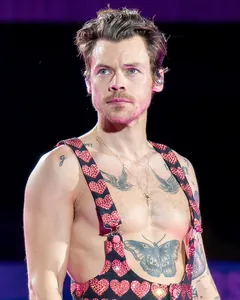 Harry StylesB2–E5 · light baritone / tenor
Photo: © Markus Felix | PushingPixels (contact me), CC BY-SA 4.0, via Wikimedia Commons. Range figures are estimates compiled from recordings and are not endorsed by the artist.