 Singing Coach AI
John Lennon’s vocal range: G2–F#5 (baritone)
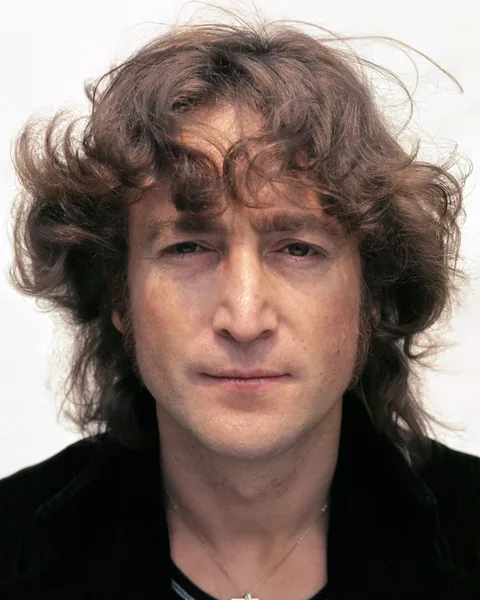
Rock’s rawest, most honest baritone voice. John Lennon’s range is commonly cited as roughly G2 to F#5, about about 3 octaves. Estimates are compiled from studio recordings and live performances, so treat the exact edges as approximate.
John Lennon’s commonly cited range on the keyboard
Wondering how your voice compares? Take the free vocal range test. It takes about a minute, right in your browser.
The voice
John Lennon was a baritone who sang like a rock tenor when the song demanded it, with a commonly cited range of roughly G2–F#5 once his falsetto is included. The tone was nasal, reedy and a little rough, and he hated it; he asked producers to drown it in echo and double-tracking on almost everything he sang. That insecurity is part of what makes it recognisable: a raw, conversational delivery with a slight Liverpool sneer, equally at home with a whispered ballad like Julia and a throat-shredding rocker like Twist and Shout.
Lennon’s solo songs are among the most singable in rock. Imagine, Woman and Jealous Guy all sit around G3–G4, an octave that almost any voice can reach, and the melodies move stepwise. The challenge is honesty rather than technique: he sang plainly, with minimal vibrato, and every push of volume meant something. A common mistake is adding polish, which drains the songs. Practical tip: sing Imagine at a quiet, speech-like volume first, then add weight only on the chorus, keeping the vowels narrow and the phrasing slightly behind the beat.
Range moments worth studying
Imagine
Spans just G3 to G4, one octave of gentle, stepwise melody; it is the definitive example of a song that needs feeling rather than range.
Jealous Guy
The library lists G2 to G4, with the low verses down near G2 and the famous whistled interlude in place of a guitar solo.
(Just Like) Starting Over
Listed at E3 to F#5; the Elvis-style croon in the verse gives way to falsetto flourishes at the very top of his range.
Twist and Shout
A Beatles cover recorded in one take at the end of a long day: belted rock and roll high in his chest voice that famously left him hoarse.
Sing John Lennon’s songs with feedback
Every song below has a full guide on this site: the range, the key, where the hard notes are, and how to practise them. Open one, then record it in the app to hear how close you are.
Can you sing it?
Almost any voice type can sing Lennon’s ballads; start with Imagine (G3–G4) or Woman (D3–G4), which move stepwise and stay within an easy octave, and then try the lower verses of Jealous Guy. A range label only tells you the edges. Whether a song feels good depends on where its melody sits. The Singing Coach AI app listens to you sing real songs, maps your range and tessitura, and tells you which keys and songs actually fit your voice, including whether John Lennon’s catalogue is in reach today.
FAQ
What was John Lennon’s voice type?
How many octaves could John Lennon sing?
Can a beginner sing John Lennon’s songs?
Voices in the same neighbourhood
Singers whose cited range and voice type sit closest to John Lennon’s. If one of them suits you, the other probably will too.
 Corey TaylorF#2–F#5 · baritone
 Chris MartinF#2–E5 · baritone
 John LegendE2–G5 · baritone
 Layne StaleyE2–E5 · baritone
 Harry StylesB2–E5 · light baritone / tenor
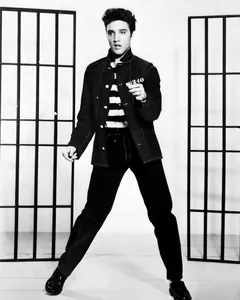 Elvis PresleyG2–B4 · baritone
Photo: Bob Gruen; Distributed by Capitol Records, Public domain, via Wikimedia Commons. Range figures are estimates compiled from recordings and are not endorsed by the artist.