 Singing Coach AI
Dimash’s vocal range: C2–D8 (tenor)
Kazakhstan's six-octave phenomenon and vocal athlete. Dimash’s range is commonly cited as roughly C2 to D8, about 6 octaves. Estimates are compiled from studio recordings and live performances, so treat the exact edges as approximate.
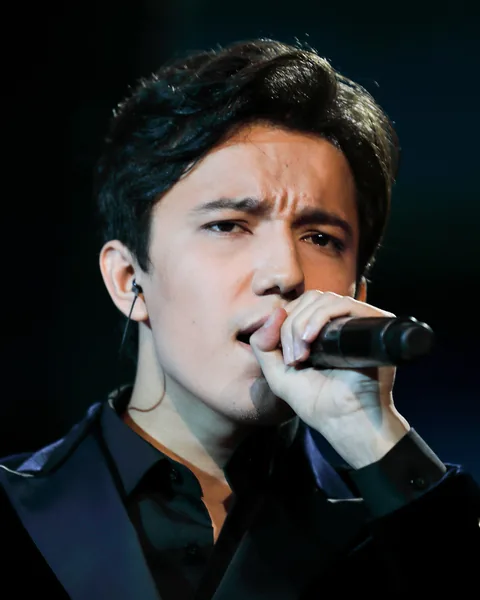
Dimash’s commonly cited range on the keyboard
Wondering how your voice compares? Take the free vocal range test. It takes about a minute, right in your browser.
The voice
Dimash Qudaibergen is a classically trained tenor from Kazakhstan whose range is commonly cited at roughly C2–D8, around six octaves, one of the widest ever documented for a pop singer. What makes his voice extraordinary is not just the span but that so much of it is usable: a full, dark low register that can dip into bass territory, a rich operatic tenor middle, a bright, powerful head voice that reaches into the soprano range, and a whistle register on top. He moves between these as easily as most singers change vowels.
Nobody should try to sing Dimash by chasing the extremes. His songs, such as SOS d'un terrien en détresse and Unforgettable Day, spend most of their time in a demanding but human tenor tessitura before the climaxes leap into the sixth octave in head voice. Focus on what transfers: a very open, relaxed throat, careful breath management over long phrases, and a seamless blend from chest to head voice. Beginners often try to push chest voice up to match his high notes and end up shouting. Sing the climaxes an octave down until your head voice is genuinely free.
The whistle notes and extreme high sustains he is famous for are the result of years of training and a very unusual instrument. Treat them as something to admire rather than copy. If you do explore your own upper extension, warm up thoroughly, keep it quiet and playful, and stop immediately if anything feels tight, sore or effortful. His catalogue rewards beautiful, controlled tone far more than height.
Range moments worth studying
SOS d'un terrien en détresse
His breakout Singer 2017 performance: a low, brooding verse that builds to sustained head-voice climaxes in the sixth octave, far above a standard tenor top.
Unforgettable Day
A showcase of the whole instrument, from bass-like low phrases through a soaring tenor chorus to ad-libs that climb into whistle territory.
The Diva Dance
His take on the Fifth Element aria is a rapid-fire run of staccato notes in the sixth and seventh octaves, delivered live.
Sinful Passion
A Russian ballad that lives at the other end of the voice, with resonant low notes around the second octave that most tenors cannot reach.
Can you sing it?
Very few singers can attempt this catalogue in its original keys; tenors and sopranos with a strong, free head voice will get closest. Start with the verses and choruses of SOS d'un terrien en détresse or Unforgettable Day, and take the climaxes an octave down. A range label only tells you the edges. Whether a song feels good depends on where its melody sits. The Singing Coach AI app listens to you sing real songs, maps your range and tessitura, and tells you which keys and songs actually fit your voice, including whether Dimash’s catalogue is in reach today.
FAQ
What is Dimash’s voice type?
How many octaves can Dimash sing?
Does Dimash use whistle register?
Voices in the same neighbourhood
Singers whose cited range and voice type sit closest to Dimash’s. If one of them suits you, the other probably will too.
 Brendon UrieD2–C7 · tenor
 PrinceF2–B6 · tenor
 Axl RoseF1–A#6 · tenor
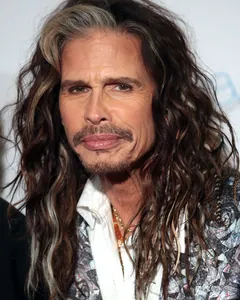 Steven TylerD2–E6 · tenor
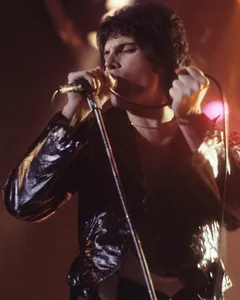 Freddie MercuryF2–F6 · tenor
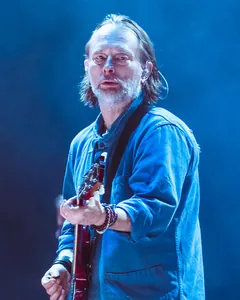 Thom YorkeC2–B5 · tenor
Photo: laura___dear, CC BY-SA 3.0, via Wikimedia Commons. Range figures are estimates compiled from recordings and are not endorsed by the artist.