 Singing Coach AI
Rob Halford’s vocal range: C2–C6 (tenor)
The Metal God's four-octave operatic scream. Rob Halford’s range is commonly cited as roughly C2 to C6, about 4 octaves. Estimates are compiled from studio recordings and live performances, so treat the exact edges as approximate.

Rob Halford’s commonly cited range on the keyboard
Wondering how your voice compares? Take the free vocal range test. It takes about a minute, right in your browser.
The voice
Rob Halford is a tenor with a commonly cited range of roughly C2 to C6, a full four octaves, and the singer fans call the Metal God. With Ronnie James Dio and Bruce Dickinson he pioneered the operatic metal style that power metal later adopted: a vibrato-rich chest voice in the middle, a throaty growl at the bottom, and an ear-splitting falsetto scream at the top. The C2 notes are rare growls. The Judas Priest sound people imitate lives much higher, in sustained belted lines near the top of the tenor range with screams soaring above them.
Singing Halford means stamina high in the voice. Classic Priest songs like Breaking the Law and Living After Midnight are mid-range, chest-driven rock anthems that most tenors and high baritones can handle. Victim of Changes and Painkiller are different animals, with long screams placed as high as C6. Approach those in stages: build a clean, ringing head voice and a strong mix first, then add distortion lightly and only where the song needs it. Taking the key down a step or two while you learn is normal.
The screams are the risky part. Halford's top notes are generally described as a powerful, reinforced falsetto rather than chest voice dragged upward, and copying them by squeezing the throat is how singers get hurt. Warm up thoroughly, keep screams short and supported at first, and stop at once if anything feels scratchy or painful. If hoarseness lasts more than two weeks, see a doctor or speech-language pathologist. Much of the Priest catalogue sounds great without the extreme top.
Range moments worth studying
Painkiller
The title track of the 1990 album: a relentless speed-metal vocal capped by screams commonly placed around C6, and one of the hardest metal songs to cover.
Victim of Changes
A long, multi-part epic from 1976 that moves from bluesy mid-range verses to soaring, sustained falsetto screams.
Breaking the Law
A short, mid-range chest-voice anthem and the most approachable Judas Priest song for a first attempt.
Living After Midnight
A stomping, sing-along rocker that stays in a comfortable middle register; energy and diction matter more than range.
Can you sing it?
Tenors and high baritones can start with Breaking the Law or Living After Midnight, which stay in a mid-range chest voice; Painkiller is for experienced metal singers only. New to voice types? Read what it means to be a tenor, or take the free voice type test to see where you fit. A range label only tells you the edges. Whether a song feels good depends on where its melody sits. The Singing Coach AI app listens to you sing real songs, maps your range and tessitura, and tells you which keys and songs actually fit your voice, including whether Rob Halford’s catalogue is in reach today.
FAQ
What is Rob Halford's voice type?
How many octaves can Rob Halford sing?
Is Rob Halford's scream falsetto?
Voices in the same neighbourhood
Singers whose cited range and voice type sit closest to Rob Halford’s. If one of them suits you, the other probably will too.
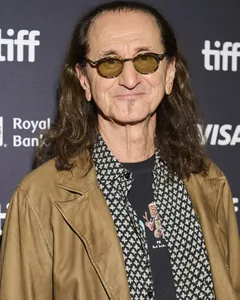 Geddy LeeC2–B5 · tenor
 Thom YorkeC2–B5 · tenor
 Justin TimberlakeC#2–B5 · lyric tenor
 Adam LambertD2–B5 · tenor
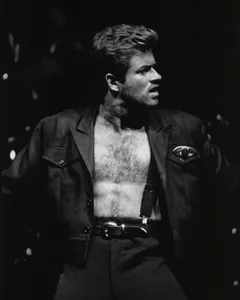 George MichaelD2–B5 · tenor
 Morten HarketC2–A5 · tenor
Photo: Birgit Fostervold, CC BY-SA 4.0, via Wikimedia Commons. Range figures are estimates compiled from recordings and are not endorsed by the artist.