 Singing Coach AI
Steven Tyler’s vocal range: D2–E6 (tenor)
Aerosmith’s scarf-draped, screaming rock and roll tenor. Steven Tyler’s range is commonly cited as roughly D2 to E6, about 4 octaves. Estimates are compiled from studio recordings and live performances, so treat the exact edges as approximate.
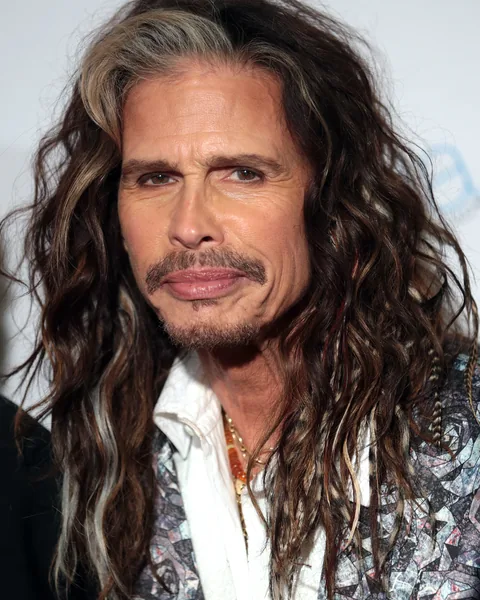
Steven Tyler’s commonly cited range on the keyboard
Wondering how your voice compares? Take the free vocal range test. It takes about a minute, right in your browser.
The voice
Steven Tyler is a tenor with a commonly cited range of roughly D2–E6, about four octaves, though exact figures vary between references. What defines the voice is less the span than the sheer variety of sounds in it: a bluesy, raspy chest voice, a high, cutting rock belt, scat-like nonsense syllables borrowed from jazz, and the screams that crown Dream On and Sweet Emotion. Fifty years on the road have left it rougher, but the swagger and rhythm are untouched.
Aerosmith songs push tenors into the A4–E5 belt zone constantly, and Tyler decorates them with grit that is easy to imitate badly. Build the belt on a bright, forward vowel with plenty of breath, and add rasp only as a light edge on selected words rather than throughout. Ballads such as I Don’t Want to Miss a Thing are a good way in, because the melody carries the drama and the rasp is optional. If any of the harder effects hurt, stop; the screams are the last thing to add, not the first.
The Tyler scream is a rock effect that deserves a care note. It is produced with a lot of air over an open throat and a light, high placement, not by clamping down. Warm up thoroughly, practise it briefly and at moderate volume first, and never chase it when the voice is tired. If you feel scratchiness or pain, stop for the day; a healthy, sustained E5 will serve you better than a damaged one, and no cover is worth a week of hoarseness.
Range moments worth studying
Dream On
A slow build from a hushed low verse to the climactic repeated ‘dream on’ screams high above the staff, around E5 and beyond, one of rock’s great endurance tests.
I Don’t Want to Miss a Thing
A power ballad whose soaring chorus lives at the top of the male chest range, sung with more legato than rasp.
Crazy
Bluesy verses and a chorus that climbs high with wailing ad-libs; the rasp-heavy ending is pure Tyler.
Sweet Emotion
The verses are almost spoken and low; the drama is in the extended, wailing ‘sweet emotion’ hook and the harmonised backing.
Can you sing it?
No Aerosmith songs are in our library yet; tenors and high baritones should begin with I Don’t Want to Miss a Thing and the verses of Crazy, saving the Dream On screams for a warmed-up, well-rested voice. A range label only tells you the edges. Whether a song feels good depends on where its melody sits. The Singing Coach AI app listens to you sing real songs, maps your range and tessitura, and tells you which keys and songs actually fit your voice, including whether Steven Tyler’s catalogue is in reach today.
FAQ
What is Steven Tyler’s voice type?
How many octaves can Steven Tyler sing?
How does Steven Tyler scream without losing his voice?
Voices in the same neighbourhood
Singers whose cited range and voice type sit closest to Steven Tyler’s. If one of them suits you, the other probably will too.
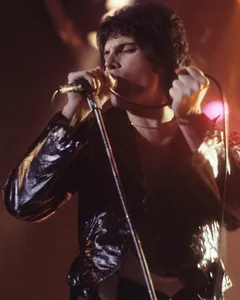 Freddie MercuryF2–F6 · tenor
 Jeff BuckleyF#2–E6 · tenor
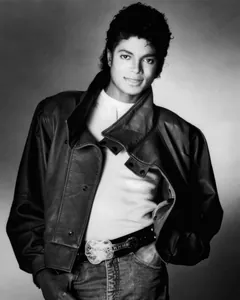 Michael JacksonD#2–C#6 · tenor
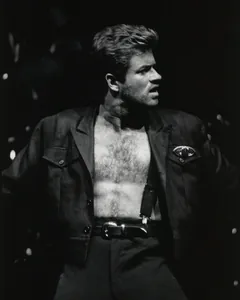 George MichaelD2–B5 · tenor
 Elton JohnE2–C6 · tenor
 Stevie WonderD#2–B5 · tenor
Photo: Gage Skidmore, CC BY-SA 3.0, via Wikimedia Commons. Range figures are estimates compiled from recordings and are not endorsed by the artist.