 Singing Coach AI
Geddy Lee’s vocal range: C2–B5 (tenor)
Rush’s high, piercing voice of 1970s progressive rock. Geddy Lee’s range is commonly cited as roughly C2 to B5, just under 4 octaves. Estimates are compiled from studio recordings and live performances, so treat the exact edges as approximate.
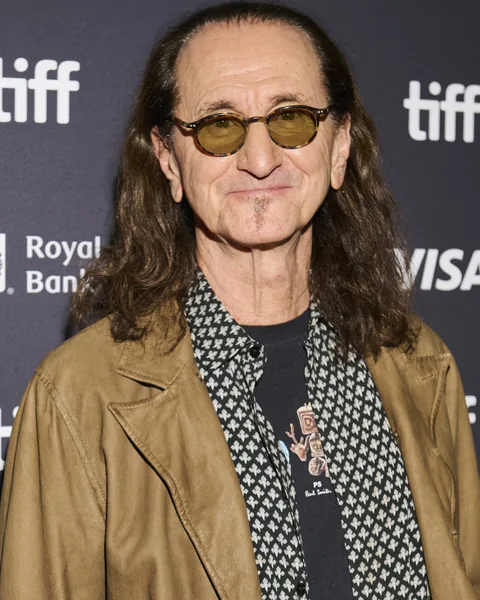
Geddy Lee’s commonly cited range on the keyboard
Wondering how your voice compares? Take the free vocal range test. It takes about a minute, right in your browser.
The voice
Geddy Lee, Rush’s singer, bassist and keyboardist, is a tenor whose high, piercing voice with its slightly nasal edge is one of the most recognizable in rock. Wikipedia credits him with a three-octave range and a distinctive, countertenor-like falsetto, and range databases commonly cite C2 to B5, just under four octaves, though that bottom note is spoken. The top comes from 1970s live shows, when his songs sat higher than almost anything else in hard rock.
Around the start of the 1980s Lee’s singing moved toward a lower, more melodic middle voice, heard on Tom Sawyer and Limelight, and that era is the place to start. His sound relies on bright, forward placement and twang rather than weight, which is why it cuts through a loud trio. Practice the melodies on a narrow, buzzy “nyah” to find that placement, keep the volume moderate, and if you play bass too, learn the bass line until it is automatic before adding the vocal.
The 1970s shrieks are hard on any voice. Lee has said that the Temples of Syrinx section of 2112 wore out his voice, while songs like Freewill, though high, felt balanced and comfortable to sing. Treat the early material with the same caution: warm up properly, lower the key, keep the sound light, and stop if you feel strain, scratching or soreness.
Range moments worth studying
2112
The Temples of Syrinx section is his famous shriek, pitched far above where most rock tenors sing; Lee has said this kind of song wore out his voice.
Freewill
High and fast, yet Lee has described it as a balanced song he could hit comfortably, a lesson in placement over force.
Tom Sawyer
From Moving Pictures (1981), sung lower and more conversationally than his 1970s work, though the chorus is still high for most male voices.
Closer to the Heart
A short, melodic song in a clear upper-middle range, and the friendliest way into Rush.
Can you sing it?
Tenors with a bright, easy top suit his songs best, and most baritones will need to lower the keys. Start with Closer to the Heart or Tom Sawyer before attempting 2112. New to voice types? Read what it means to be a tenor, or take the free voice type test to see where you fit. A range label only tells you the edges. Whether a song feels good depends on where its melody sits. The Singing Coach AI app listens to you sing real songs, maps your range and tessitura, and tells you which keys and songs actually fit your voice, including whether Geddy Lee’s catalogue is in reach today.
FAQ
What is Geddy Lee’s voice type?
How many octaves can Geddy Lee sing?
Why did Geddy Lee’s voice get lower?
Voices in the same neighbourhood
Singers whose cited range and voice type sit closest to Geddy Lee’s. If one of them suits you, the other probably will too.
 Thom YorkeC2–B5 · tenor
 Justin TimberlakeC#2–B5 · lyric tenor
 Rob HalfordC2–C6 · tenor
 Adam LambertD2–B5 · tenor
 George MichaelD2–B5 · tenor
 Morten HarketC2–A5 · tenor
Photo: Gabriel Hutchinson, CC BY-SA 4.0, via Wikimedia Commons. Range figures are estimates compiled from recordings and are not endorsed by the artist.