 Singing Coach AI
Judy Garland’s vocal range: A2–B5 (contralto)
Hollywood’s great contralto belter, from Oz to Carnegie Hall. Judy Garland’s range is commonly cited as roughly A2 to B5, just over 3 octaves. Estimates are compiled from studio recordings and live performances, so treat the exact edges as approximate.
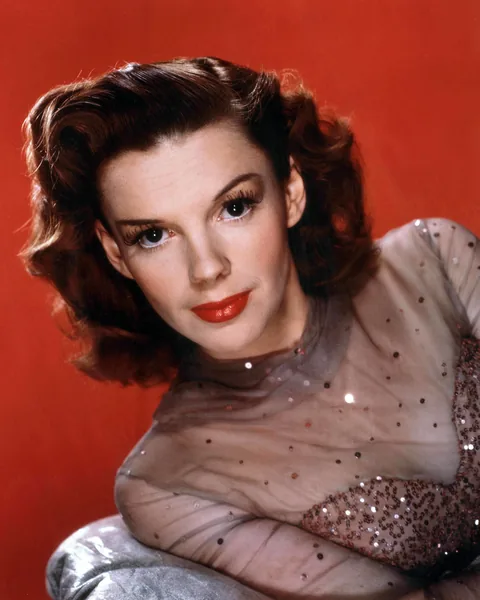
Judy Garland’s commonly cited range on the keyboard
Wondering how your voice compares? Take the free vocal range test. It takes about a minute, right in your browser.
The voice
Judy Garland was a contralto with one of the most recognizable voices in American popular song: dark and chesty in the low and middle registers, bright at the top, with a quick vibrato and a slight catch she used for emotion. A detailed range database that covers her whole career lists roughly A2 to B5, the low end from her late-1960s concerts and the top from early film songs. In her MGM prime most of her singing sat between about F3 and F5, and she could carry a chest-dominant belt surprisingly high.
Singing Garland well is about honesty and stamina more than range. Her ballads, such as Over the Rainbow, sit in the middle of a female voice and expose every wobble in breath support, while the up-tempo numbers need crisp consonants and a brassy, forward belt. The common mistake is copying her catch and throb by squeezing the throat. Speak the lyric first, then sing it at the same easy, conversational level, and add volume only once the tone is steady. Keep the belt bright and let it lighten as the melody climbs.
Her voice changed a great deal over thirty years on stage. The light, youthful sound of The Wizard of Oz (1939) grew into the bigger, darker instrument of A Star Is Born (1954) and the 1961 concert album Judy at Carnegie Hall, which won the Grammy for Album of the Year. In her last years she leaned on her chest voice and lower register, and the late live recordings trade polish for raw, conversational feeling.
Range moments worth studying
Over the Rainbow
The melody opens with a full octave leap on “Some-where,” stays mostly in the middle of her voice and rises to around F5 near the end. A lesson in soft, steady tone rather than power.
Jitterbug
Cut from the final film of The Wizard of Oz, this swing number sits in a bright chest-mix and pops up to about E5. Rhythm and diction matter more than the top note.
The Man That Got Away
Her signature torch song from A Star Is Born (1954): long, dark chest-voice phrases that build to a full-throated belt at the climax.
Have Yourself a Merry Little Christmas
Introduced in Meet Me in St. Louis (1944) and sung quietly in the middle of her voice. All tone, breath and tenderness, with no big notes to hide behind.
Sing Judy Garland’s songs with feedback
Every song below has a full guide on this site: the range, the key, where the hard notes are, and how to practise them. Open one, then record it in the app to hear how close you are.
Can you sing it?
Altos, mezzos and contraltos can sing most of her songs in the original keys, and baritones and tenors can take them an octave down. Start with Jitterbug for rhythm and diction, then Over the Rainbow for breath control. New to voice types? Read what it means to be a contralto, or take the free voice type test to see where you fit. A range label only tells you the edges. Whether a song feels good depends on where its melody sits. The Singing Coach AI app listens to you sing real songs, maps your range and tessitura, and tells you which keys and songs actually fit your voice, including whether Judy Garland’s catalogue is in reach today.
FAQ
What was Judy Garland’s voice type?
How many octaves could Judy Garland sing?
Is Over the Rainbow hard to sing?
Voices in the same neighbourhood
Singers whose cited range and voice type sit closest to Judy Garland’s. If one of them suits you, the other probably will too.
 ShakiraC#3–C#6 · contralto
 Karen CarpenterD3–A5 · contralto
 Toni BraxtonD3–A5 · contralto
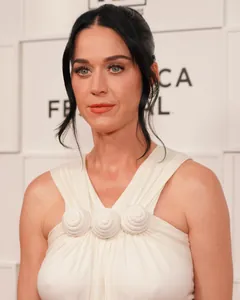 Katy PerryD3–E6 · contralto
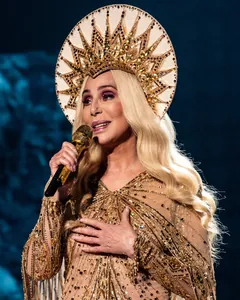 CherC#3–E5 · contralto
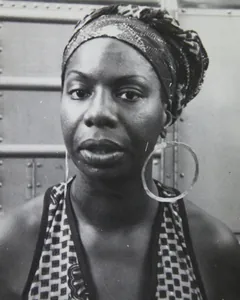 Nina SimoneF2–E5 · contralto
Photo: Eric Carpenter for en:Metro-Goldwyn-Mayer, Public domain, via Wikimedia Commons. Range figures are estimates compiled from recordings and are not endorsed by the artist.