 Singing Coach AI
Nina Simone’s vocal range: F2–E5 (contralto)
The High Priestess of Soul’s unmistakable contralto. Nina Simone’s range is commonly cited as roughly F2 to E5, about about 3 octaves. Estimates are compiled from studio recordings and live performances, so treat the exact edges as approximate.
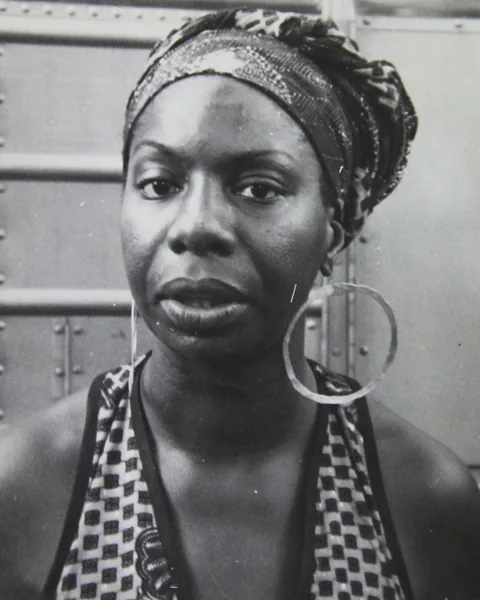
Nina Simone’s commonly cited range on the keyboard
Wondering how your voice compares? Take the free vocal range test. It takes about a minute, right in your browser.
The voice
Nina Simone was a contralto, commonly cited at roughly F2–E5, about three octaves, with a low register so deep and dark that first-time listeners sometimes mistake it for a man’s voice. A classically trained pianist who wanted to be a concert player, she sang with the same discipline: exact pitch, slow vibrato, and a way of placing every word for maximum weight. The tone is smoky and unsentimental, and it could turn from tenderness (I Loves You, Porgy) to fury (Mississippi Goddam) inside a single set.
Her songs are not high, which fools people into thinking they are easy. The difficulty is control at low pitch: keeping notes around C3–G3 clear and in tune without growling, and letting the phrase breathe with the piano rather than the other way round. Practise speaking the lyric on pitch, then slow it down into song, and resist adding runs; she almost never used them. Higher voices should not push the chest voice down to imitate her, just take the songs up a few keys and keep the stillness.
Range moments worth studying
Feeling Good
Opens unaccompanied in the low register around C3–G3, then the band arrives and the last chorus pushes up to belted notes around C5–D5.
I Put a Spell on You
Slow, seething blues in the F#3–D5 area, with the famous wordless wail near the end demanding real breath support.
Sinnerman
Ten minutes of driving rhythm; the vocal stays mostly mid-range around F#3–D5, but the stamina and rhythmic precision are the test.
Sing Nina Simone’s songs with feedback
Every song below has a full guide on this site: the range, the key, where the hard notes are, and how to practise them. Open one, then record it in the app to hear how close you are.
Can you sing it?
Altos, contraltos and low mezzos can approach Feeling Good (C3–D5) first, then I Put a Spell on You; higher voices should simply take the songs up a key or two rather than forcing the low notes. A range label only tells you the edges. Whether a song feels good depends on where its melody sits. The Singing Coach AI app listens to you sing real songs, maps your range and tessitura, and tells you which keys and songs actually fit your voice, including whether Nina Simone’s catalogue is in reach today.
FAQ
What was Nina Simone’s voice type?
How many octaves could Nina Simone sing?
Was Nina Simone an alto or a contralto?
Voices in the same neighbourhood
Singers whose cited range and voice type sit closest to Nina Simone’s. If one of them suits you, the other probably will too.
 CherC#3–E5 · contralto
 Amy WinehouseD3–E5 · contralto
 Tracy ChapmanD3–D5 · contralto
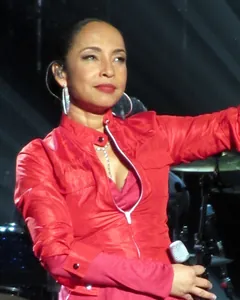 SadeF3–E5 · contralto
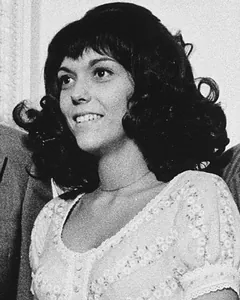 Karen CarpenterD3–A5 · contralto
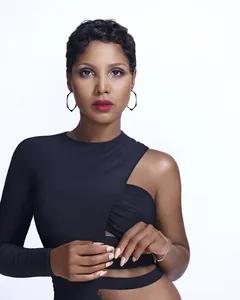 Toni BraxtonD3–A5 · contralto
Photo: Gerrit de Bruin, CC BY 4.0, via Wikimedia Commons. Range figures are estimates compiled from recordings and are not endorsed by the artist.