 Singing Coach AI
Patrick Stump’s vocal range: C#2–A5 (tenor)
Fall Out Boy's pop-punk singer with a soul voice. Patrick Stump’s range is commonly cited as roughly C#2 to A5, about 3.5 octaves. Estimates are compiled from studio recordings and live performances, so treat the exact edges as approximate.

Patrick Stump’s commonly cited range on the keyboard
Wondering how your voice compares? Take the free vocal range test. It takes about a minute, right in your browser.
The voice
Patrick Stump is a tenor whose commonly cited recorded range runs from about C#2 to A5, roughly three and a half octaves. In Fall Out Boy he sounds like a rock singer, but the instrument is closer to a soul singer's: a warm, round chest voice, a gritty high belt, and runs and bends borrowed from R&B. That blend is why the band's choruses feel bigger than typical pop punk. His 2011 solo album Soul Punk leaned fully into that side, with falsetto and funk phrasing that owe more to R&B than to his punk peers.
Fall Out Boy songs are hard because of where they sit, not how high they peak. Choruses such as Sugar, We're Goin Down and Thnks fr th Mmrs stay in the upper part of a tenor's chest voice for long stretches, and the lyrics are crammed with syllables, so there is little time to breathe. Copying his grit by squeezing the throat will wear you out within a song. Build a clean, supported belt first, add a touch of edge on top, and plan breaths wherever the lyric allows, even mid-line.
The rasp on later singles such as My Songs Know What You Did in the Dark (Light Em Up) and Centuries is controlled distortion layered on a well-supported belt, not shouting. If you want that sound, keep it short and light, warm up first, and stop if your throat feels scratchy or sore. Much of the catalogue works just as well sung clean, and singing a step lower while your stamina builds is a perfectly reasonable choice.
Range moments worth studying
Sugar, We're Goin Down
The chorus sits high in chest voice and barely pauses for breath; the speed of the lyric is as much of a challenge as the notes.
Thnks fr th Mmrs
A strutting mid-range verse gives way to a soaring chorus that tests endurance in the upper chest-mix.
Centuries
A stadium chorus sung with a gritty edge, built around sustained belted notes high in the tenor range.
This Ain't a Scene, It's an Arms Race
Shows the R&B phrasing underneath the rock: syncopated lines and quick ornaments around a punchy chorus.
Can you sing it?
Tenors with a strong upper chest voice suit him best; start with Thnks fr th Mmrs or Dance, Dance a step lower than the record before tackling Centuries. New to voice types? Read what it means to be a tenor, or take the free voice type test to see where you fit. A range label only tells you the edges. Whether a song feels good depends on where its melody sits. The Singing Coach AI app listens to you sing real songs, maps your range and tessitura, and tells you which keys and songs actually fit your voice, including whether Patrick Stump’s catalogue is in reach today.
FAQ
What is Patrick Stump's voice type?
How many octaves can Patrick Stump sing?
Does Patrick Stump use falsetto?
Voices in the same neighbourhood
Singers whose cited range and voice type sit closest to Patrick Stump’s. If one of them suits you, the other probably will too.
 Morten HarketC2–A5 · tenor
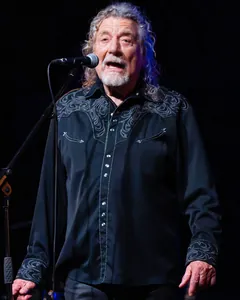 Robert PlantD2–A5 · tenor
 Justin TimberlakeC#2–B5 · lyric tenor
 Adam LambertD2–B5 · tenor
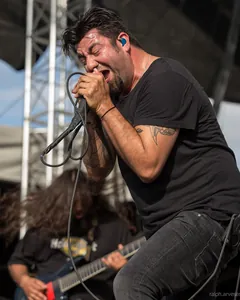 Chino MorenoD2–G5 · tenor
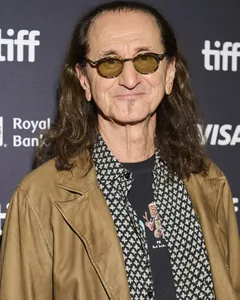 Geddy LeeC2–B5 · tenor
Photo: Stefan Brending (2eight), CC BY-SA 3.0, via Wikimedia Commons. Range figures are estimates compiled from recordings and are not endorsed by the artist.