 Singing Coach AI
Kellin Quinn’s vocal range: B2–D6 (tenor)
Post-hardcore's stratospheric frontman, Sleeping With Sirens. Kellin Quinn’s range is commonly cited as roughly B2 to D6, about just over 3 octaves. Estimates are compiled from studio recordings and live performances, so treat the exact edges as approximate.

Kellin Quinn’s commonly cited range on the keyboard
Wondering how your voice compares? Take the free vocal range test. It takes about a minute, right in your browser.
The voice
Kellin Quinn, frontman of Sleeping With Sirens, is a very high tenor who is often described as a countertenor, with a range commonly cited at roughly B2–D6. His voice is one of the most recognisable in the post-hardcore scene because it sits where most male singers only reach in falsetto: a bright, boyish, almost androgynous tone that stays connected and full well into the fifth octave. Add the emo-pop phrasing, the occasional scream and the sudden leaps into head voice and you have a sound that launched a thousand YouTube covers.
Singing Quinn's material in the original keys is a serious challenge for most male voices. Choruses on songs like If You Can't Hang hover around A4–D5 in a light, connected mix, and the verses do not drop much lower. The common mistake is to push chest voice up to that height and shout, or to flip into a breathy falsetto that loses the punch. Work on a narrow, forward mix with steady airflow, and do not be shy about singing his songs down a few keys; the melodies survive transposition perfectly well.
The screams and strained-sounding high notes are the risky part of this catalogue. Quinn's screams are a trained technique, not raw shouting. Warm up thoroughly before attempting anything aggressive, keep the volume moderate and the throat open, and stop immediately if you feel scratching, tickling or hoarseness. Songs like Scene Two - Roger Rabbit and If I'm James Dean, You're Audrey Hepburn give you the flavour without needing to scream.
Range moments worth studying
If You Can't Hang
The anthem of the catalogue: choruses sit around A4–D5 in a bright, connected mix, with punchy phrases that leave little room to breathe.
If I'm James Dean, You're Audrey Hepburn
Verses in the upper fourth octave that lift into a fifth-octave chorus, showing how high even his quieter songs sit.
Scene Two - Roger Rabbit
A more melodic, acoustic-leaning track that stays mostly in a singable tenor range while still climbing above the staff on the hooks.
Kick Me
The aggressive side: screamed sections sit alongside clean sung lines high in the fifth octave, a demanding mix of techniques.
Can you sing it?
Sopranos, mezzo-sopranos and very high tenors are best placed for the original keys; other male voices should transpose down. Start with Scene Two - Roger Rabbit or If I'm James Dean, You're Audrey Hepburn, and leave the screams in Kick Me until much later. A range label only tells you the edges. Whether a song feels good depends on where its melody sits. The Singing Coach AI app listens to you sing real songs, maps your range and tessitura, and tells you which keys and songs actually fit your voice, including whether Kellin Quinn’s catalogue is in reach today.
FAQ
What is Kellin Quinn’s voice type?
How many octaves can Kellin Quinn sing?
Is Kellin Quinn a countertenor?
Voices in the same neighbourhood
Singers whose cited range and voice type sit closest to Kellin Quinn’s. If one of them suits you, the other probably will too.
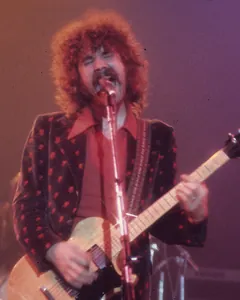 Brad DelpF#2–C#6 · tenor
 Jeff BuckleyF#2–E6 · tenor
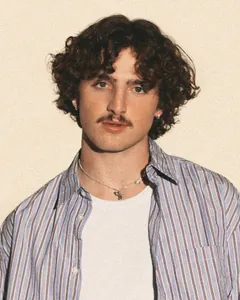 Benson BooneG#2–A5 · tenor
 Chester BenningtonG#2–A5 · tenor
 Ed SheeranG2–A5 · tenor
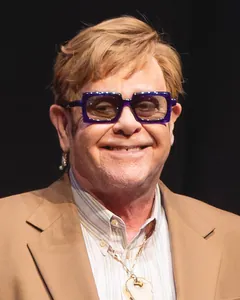 Elton JohnE2–C6 · tenor
Photo: Ethan Beazley from Phoenix, Arizona, United States, CC BY 2.0, via Wikimedia Commons. Range figures are estimates compiled from recordings and are not endorsed by the artist.