 Singing Coach AI
Jeff Buckley’s vocal range: F#2–E6 (tenor)
Ethereal tenor behind the definitive Hallelujah. Jeff Buckley’s range is commonly cited as roughly F#2 to E6, about just under 4 octaves. Estimates are compiled from studio recordings and live performances, so treat the exact edges as approximate.

Jeff Buckley’s commonly cited range on the keyboard
Wondering how your voice compares? Take the free vocal range test. It takes about a minute, right in your browser.
The voice
Jeff Buckley was a tenor with a light, almost countertenor-like head voice and a range commonly cited at roughly F#2–E6, nearly four octaves. His sound was defined by the seamless blend between a delicate chest voice and a floating, sometimes fragile head voice, with breathy dynamics that could drop to nothing and then swell into full, ringing top notes. Hallelujah and Grace both show the whole palette in a single take.
The hard part of Buckley isn’t hitting notes, it’s controlling them: sustained head-voice phrases at whisper volume, long lines with no obvious breath, and constant register blending. Singers tend to either push chest voice too high or let the head voice go airy and out of tune. Practise slow sirens from chest into head voice on a closed vowel, then apply that to the ‘hallelujah’ refrains, which hover around the octave above middle C before rising higher in the later verses. Keep the volume modest; the intensity should come from tone.
Range moments worth studying
Hallelujah
The library charts it at E3–B5: verses murmur in the low middle, the refrains float in head voice, and the final wordless notes climb into the fifth octave.
Grace
Restless verses that sit mid-range, then a chorus and outro that climb into screamed head voice.
Lover, You Should’ve Come Over
A long, aching build: intimate low verses, then sustained belted phrases high in the tenor range by the end.
Last Goodbye
A more conventional rock tenor song, mostly chest voice with lifts into head voice on the chorus.
Sing Jeff Buckley’s songs with feedback
Every song below has a full guide on this site: the range, the key, where the hard notes are, and how to practise them. Open one, then record it in the app to hear how close you are.
Can you sing it?
Tenors and light baritones can approach the catalogue, and sopranos and mezzos may find his head-voice writing suits them directly. Hallelujah is the natural starting point, sung softly and in a comfortable key. A range label only tells you the edges. Whether a song feels good depends on where its melody sits. The Singing Coach AI app listens to you sing real songs, maps your range and tessitura, and tells you which keys and songs actually fit your voice, including whether Jeff Buckley’s catalogue is in reach today.
FAQ
What was Jeff Buckley’s voice type?
How many octaves could Jeff Buckley sing?
Did Jeff Buckley use falsetto or head voice?
Voices in the same neighbourhood
Singers whose cited range and voice type sit closest to Jeff Buckley’s. If one of them suits you, the other probably will too.
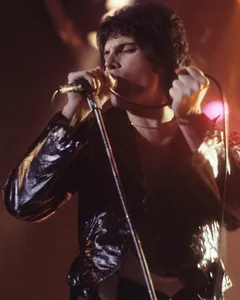 Freddie MercuryF2–F6 · tenor
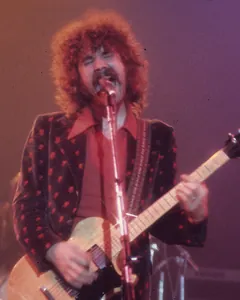 Brad DelpF#2–C#6 · tenor
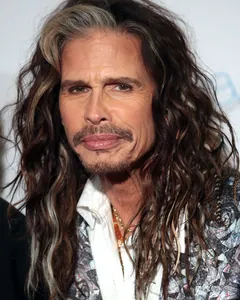 Steven TylerD2–E6 · tenor
 Elton JohnE2–C6 · tenor
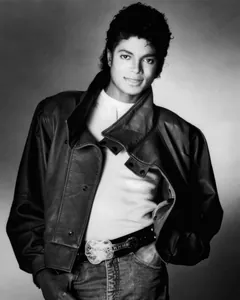 Michael JacksonD#2–C#6 · tenor
 Sam SmithF2–B5 · tenor
Photo: Loara High School, CC0, via Wikimedia Commons. Range figures are estimates compiled from recordings and are not endorsed by the artist.