 Singing Coach AI
Sebastian Bach’s vocal range: F2–C6 (tenor)
Skid Row's soaring hair-metal tenor with a huge scream. Sebastian Bach’s range is commonly cited as roughly F2 to C6, about 3.5 octaves. Estimates are compiled from studio recordings and live performances, so treat the exact edges as approximate.
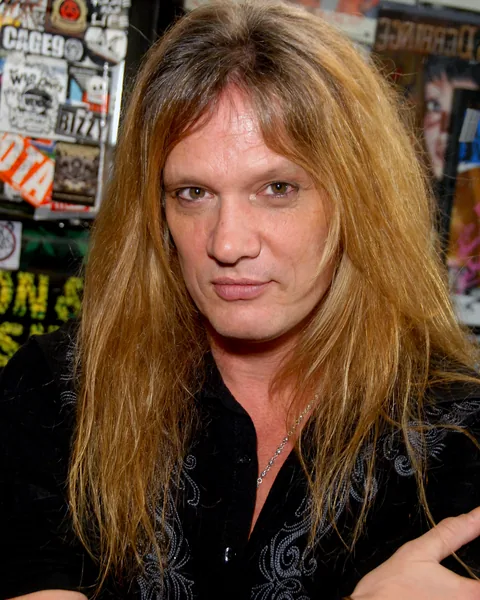
Sebastian Bach’s commonly cited range on the keyboard
Wondering how your voice compares? Take the free vocal range test. It takes about a minute, right in your browser.
The voice
Sebastian Bach is a high rock tenor whose recorded range is commonly cited at roughly F2 to C6, about three and a half octaves, with the top reached in screams and reinforced falsetto. As Skid Row's singer he paired a gritty upper belt in the Robert Plant mold with a surprisingly warm low register, and in 2025 Ultimate Classic Rock ranked him first among hair metal singers, citing his range on 18 and Life and I Remember You. The rasp is part of the tone itself rather than an effect added at the ends of phrases.
Bach's songs swing between low, almost crooned verses and choruses belted high above the staff. I Remember You is the clearest example: listed at F#2 to D5, it opens in a gentle low register, the chorus tops out around G4 to A4, and the outro ad-libs reach D5. The trap is pushing the whole chorus in heavy chest voice. Build a strong, bright mix around A4 first and add grit lightly. Bach has said the hard part of that song is lasting all the way through it, so practice it end to end for stamina.
His screams, including the one that ends I Remember You, are the risky end of rock singing. Warm up first, keep screams short and supported, and stop as soon as anything feels scratchy or sore. Bach has also sung on Broadway, in the title roles of Jekyll & Hyde (2000) and as Riff Raff in The Rocky Horror Show (2001), a reminder that the wild sound sits on real technique.
Range moments worth studying
18 and Life
Listed at C#3 to C#5. A gritty mid-range verse and a raspy belted chorus that climbs to C#5.
I Remember You
Listed at F#2 to D5. A tender low ballad that builds to sustained high belts, D5 ad-libs in the outro and a closing scream.
Youth Gone Wild
The band's anthem: a gang-vocal chorus and a high, raspy lead line, more about attitude and stamina than precise notes.
Monkey Business
From 1991's Slave to the Grind, a heavier, higher-energy vocal with screams over a grinding riff.
Sing Sebastian Bach’s songs with feedback
Every song below has a full guide on this site: the range, the key, where the hard notes are, and how to practise them. Open one, then record it in the app to hear how close you are.
Can you sing it?
Tenors with a strong high mix can start with 18 and Life (C#3 to C#5); I Remember You needs more range and is best learned a step or two down first. New to voice types? Read what it means to be a tenor, or take the free voice type test to see where you fit. A range label only tells you the edges. Whether a song feels good depends on where its melody sits. The Singing Coach AI app listens to you sing real songs, maps your range and tessitura, and tells you which keys and songs actually fit your voice, including whether Sebastian Bach’s catalogue is in reach today.
FAQ
What is Sebastian Bach's voice type?
How many octaves can Sebastian Bach sing?
Is I Remember You hard to sing?
Voices in the same neighbourhood
Singers whose cited range and voice type sit closest to Sebastian Bach’s. If one of them suits you, the other probably will too.
 Elton JohnE2–C6 · tenor
 Sam SmithF2–B5 · tenor
 Brad DelpF#2–C#6 · tenor
 Charlie PuthE2–B5 · tenor
 Luther VandrossF2–A5 · tenor
 Michael JacksonD#2–C#6 · tenor
Photo: Toglenn, CC BY-SA 3.0, via Wikimedia Commons. Range figures are estimates compiled from recordings and are not endorsed by the artist.