 Singing Coach AI
Michael Jackson’s vocal range: D#2–C#6 (tenor)
The King of Pop’s hiccups, whoops and high tenor. Michael Jackson’s range is commonly cited as roughly D#2 to C#6, about just under 4 octaves. Estimates are compiled from studio recordings and live performances, so treat the exact edges as approximate.
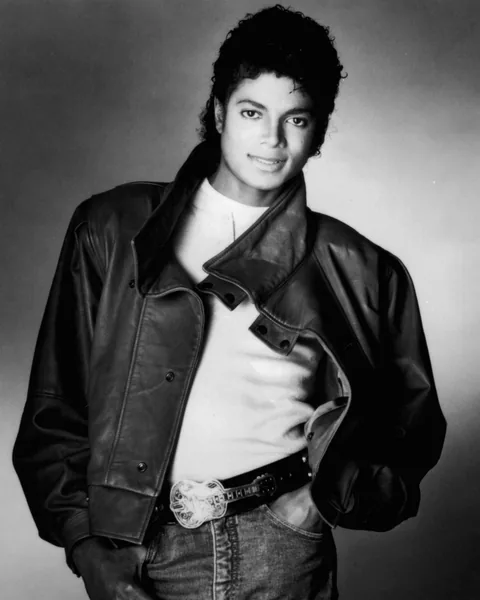
Michael Jackson’s commonly cited range on the keyboard
Wondering how your voice compares? Take the free vocal range test. It takes about a minute, right in your browser.
The voice
Michael Jackson was a light lyric tenor, commonly cited at roughly D#2–C#6, nearly four octaves once his falsetto squeaks are counted. The voice itself was small and bright; what made it unmistakable was rhythm. The percussive hiccups, gasps and ‘hee-hee’ interjections were not decoration, they were part of the groove, and he placed every syllable exactly on the beat. As he matured, the boyish Jackson 5 tone darkened into the grittier, breath-driven attack of Thriller and Bad.
Copying MJ means thinking like a drummer. Most of his hits sit in a tenor tessitura around G3–B4, high enough that untrained singers tighten up; the trick is to keep the sound light and forward rather than heavy. Practise the little vocal hiccups as rhythmic breaths, not throat catches, and flip cleanly into falsetto for the ‘ooh’ ad-libs. A common mistake is over-singing the softer ballads such as Human Nature; he sang them almost in a whisper, with the microphone doing the work.
Range moments worth studying
Billie Jean
The verse rides a tight F#3–B3 pattern before the chorus jumps to around B4–C#5, all delivered in a tense, rhythmic chest-mix.
Thriller
Spans nearly three octaves in the library’s chart, from a spoken-low G2 to falsetto ad-libs up around G#5.
Human Nature
A gentle F#3–B4 ballad sung mostly at half-voice; the famous ‘why, why’ answer phrases float in a soft head voice.
Man in the Mirror
Starts conversationally low, then the key change and gospel choir push him to sustained belts around B4–C5.
Sing Michael Jackson’s songs with feedback
Every song below has a full guide on this site: the range, the key, where the hard notes are, and how to practise them. Open one, then record it in the app to hear how close you are.
Can you sing it?
Tenors and high baritones with a light mix can cover most of the catalogue; start with Human Nature (F#3–B4) or Black or White (E3–B4) before the sustained belts of Man in the Mirror. A range label only tells you the edges. Whether a song feels good depends on where its melody sits. The Singing Coach AI app listens to you sing real songs, maps your range and tessitura, and tells you which keys and songs actually fit your voice, including whether Michael Jackson’s catalogue is in reach today.
FAQ
What was Michael Jackson’s voice type?
How many octaves could Michael Jackson sing?
Did Michael Jackson sing in falsetto?
Voices in the same neighbourhood
Singers whose cited range and voice type sit closest to Michael Jackson’s. If one of them suits you, the other probably will too.
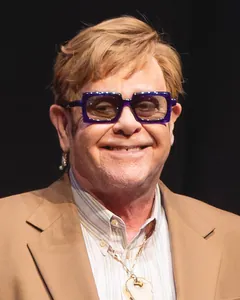 Elton JohnE2–C6 · tenor
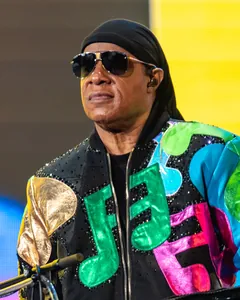 Stevie WonderD#2–B5 · tenor
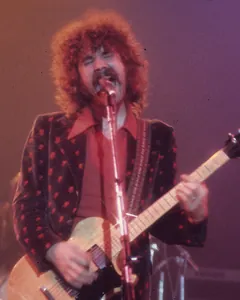 Brad DelpF#2–C#6 · tenor
 Charlie PuthE2–B5 · tenor
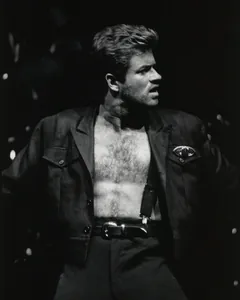 George MichaelD2–B5 · tenor
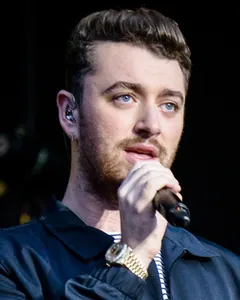 Sam SmithF2–B5 · tenor
Photo: Matthew Rolston; Distributed by Epic Records, Public domain, via Wikimedia Commons. Range figures are estimates compiled from recordings and are not endorsed by the artist.