 Singing Coach AI
Taylor Swift’s vocal range: C3–G5 (mezzo-soprano)
Pop’s storyteller with a conversational voice. Taylor Swift’s range is commonly cited as roughly C3 to G5, about 2.5 octaves. Estimates are compiled from studio recordings and live performances, so treat the exact edges as approximate.
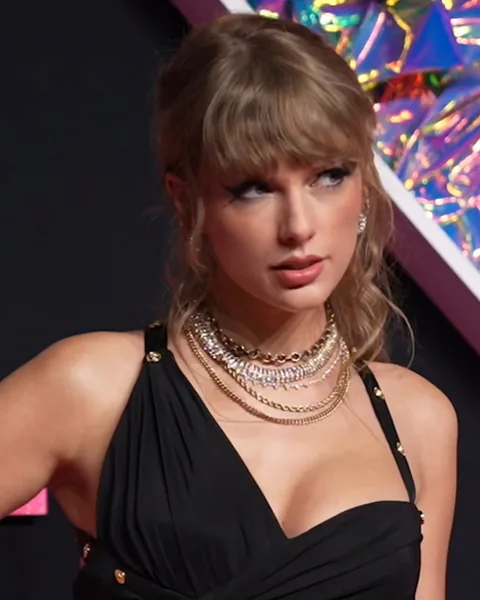
Taylor Swift’s commonly cited range on the keyboard
Wondering how your voice compares? Take the free vocal range test. It takes about a minute, right in your browser.
The voice
Taylor Swift is a light mezzo-soprano with a commonly cited range of roughly C3–G5. Hers is not a showpiece instrument, and that is the point: the voice is clear, slightly breathy, and written for lyrics rather than runs. What makes it recognisable is the conversational phrasing, the way she lands a punchline on a single half-spoken note, and the airy head voice she floats over choruses on records like Lover and folklore. Over the years the tone has moved from country twang to a warmer, more controlled pop sound.
Most Swift songs sit between about G3 and D5, a tessitura that many voices find comfortable. The difficulty is in the details: rapid-fire lyrics that need clean diction, sudden lifts from a spoken verse to a belted chorus (Cruel Summer), and long held vowels in the bridges. A common mistake is over-singing; she rarely pushes, and her choruses are more about energy than volume. Practical tip: speak the verse lyrics in rhythm first, then add pitch, so the words stay natural and the belt in the chorus arrives with breath to spare.
Range moments worth studying
Cruel Summer
The library lists G#3 to E5; the bridge (“I don’t wanna keep secrets just to keep you”) climbs to a belted D5–E5 that is the song’s big pay-off.
All Too Well
One of her lowest starts, down around C3 in the opening verse, before building to a chorus around C5–D5; a lesson in pacing a long story.
Shake It Off
Chest-voice verses around G3–B4 with a higher, chanted chorus; the library’s G5 top note is a brief ad-lib, not something you have to hit.
Love Story
Spans just A3 to B4, which is why it is one of the friendliest Swift songs for new singers.
Sing Taylor Swift’s songs with feedback
Every song below has a full guide on this site: the range, the key, where the hard notes are, and how to practise them. Open one, then record it in the app to hear how close you are.
See all 23 Taylor Swift guides in the song library.
Can you sing it?
Mezzos, sopranos and most male voices an octave down can sing the majority of Taylor Swift’s catalogue; start with Love Story (A3–B4) or cardigan (E3–A4), then work up to the E5 choruses of Cruel Summer and Lover. A range label only tells you the edges. Whether a song feels good depends on where its melody sits. The Singing Coach AI app listens to you sing real songs, maps your range and tessitura, and tells you which keys and songs actually fit your voice, including whether Taylor Swift’s catalogue is in reach today.
FAQ
What is Taylor Swift’s voice type?
How many octaves can Taylor Swift sing?
Can a beginner sing Taylor Swift’s songs?
Voices in the same neighbourhood
Singers whose cited range and voice type sit closest to Taylor Swift’s. If one of them suits you, the other probably will too.
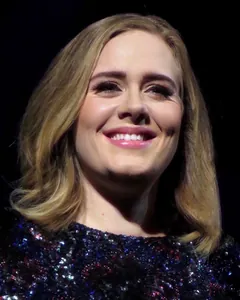 AdeleC3–C6 · mezzo-soprano
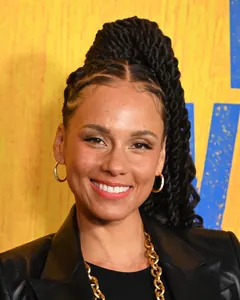 Alicia KeysC3–C6 · mezzo-soprano
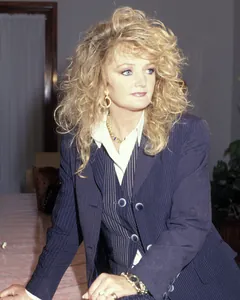 Bonnie TylerD3–E5 · mezzo-soprano
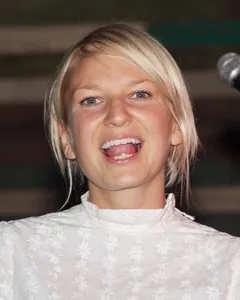 SiaC3–C6 · mezzo-soprano
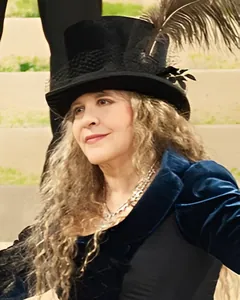 Stevie NicksD3–E5 · mezzo-soprano
 Billie EilishD3–B5 · mezzo-soprano
Photo: iHeartRadioCA, CC BY 3.0, via Wikimedia Commons. Range figures are estimates compiled from recordings and are not endorsed by the artist.