 Singing Coach AI
Usher’s vocal range: E2–A#5 (light lyric tenor)
R&B's smooth falsetto tenor and dance-floor showman. Usher’s range is commonly cited as roughly E2 to A#5, about 3.5 octaves. Estimates are compiled from studio recordings and live performances, so treat the exact edges as approximate.
Usher’s commonly cited range on the keyboard
Wondering how your voice compares? Take the free vocal range test. It takes about a minute, right in your browser.
The voice
Usher is a light lyric tenor (Wikipedia uses the term leggiero tenor) with a commonly cited range of roughly E2 to A#5, about three and a half octaves. The tone is smooth and slightly breathy, with a ringing chest voice that critics have compared to Marvin Gaye and a falsetto so relaxed it sounds like talking. He moves between the two constantly, decorating lines with quick runs, and he often does it while dancing, which says a lot about his breath control.
Most of his hits live between about F3 and C5, but they stay high and busy: U Got It Bad and Confessions Part II ask for a light chest-mix around A#4 to C5 plus falsetto riffs above it. The common mistake is singing every line at full voice; Usher saves weight for a few peak moments and keeps the rest light and conversational. Practice the runs slowly, one beat at a time, and get the falsetto in tune at low volume before you try his ad-libs.
Range moments worth studying
U Got It Bad
Listed at F3 to C5. A slow jam that sits high and soft, mixing a light chest voice with falsetto runs over the top.
Burn
Listed at F3 to C6, the widest of his library songs. The chest voice peaks around A#4; falsetto ad-libs and harmonies in the outro account for the very top.
Yeah!
Listed at G3 to A#4: a club track that rides a narrow, rhythmic chest-voice range, so energy and timing matter more than notes.
OMG
Listed at B2 to G4, the lowest-lying of his big hits, delivered in a relaxed, almost chanted middle voice.
Sing Usher’s songs with feedback
Every song below has a full guide on this site: the range, the key, where the hard notes are, and how to practise them. Open one, then record it in the app to hear how close you are.
Can you sing it?
Tenors and light baritones can start with Yeah! (G3 to A#4) or OMG (B2 to G4); U Got It Bad and Burn need a reliable falsetto. New to voice types? Read what it means to be a tenor, or take the free voice type test to see where you fit. A range label only tells you the edges. Whether a song feels good depends on where its melody sits. The Singing Coach AI app listens to you sing real songs, maps your range and tessitura, and tells you which keys and songs actually fit your voice, including whether Usher’s catalogue is in reach today.
FAQ
What is Usher's voice type?
How many octaves can Usher sing?
Does Usher use falsetto?
Voices in the same neighbourhood
Singers whose cited range and voice type sit closest to Usher’s. If one of them suits you, the other probably will too.
 Charlie PuthE2–B5 · tenor
 Elton JohnE2–C6 · tenor
 Luther VandrossF2–A5 · tenor
 Sam SmithF2–B5 · tenor
 Stevie WonderD#2–B5 · tenor
 Adam LambertD2–B5 · tenor
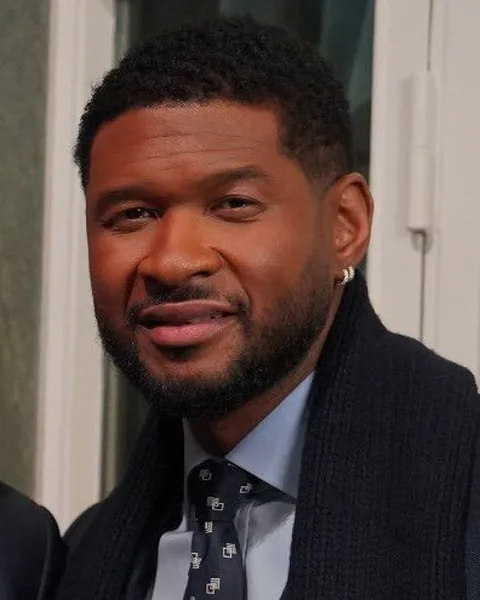
Photo: US Embassy Italy, Public domain, via Wikimedia Commons. Range figures are estimates compiled from recordings and are not endorsed by the artist.